5 Key Factors in Warehouse Equipment Preventive Maintenance
Preventive maintenance is critical for keeping warehouse equipment like forklifts running efficiently and avoiding costly breakdowns. Here's what you need to know:
- Regular maintenance schedules: Follow manufacturer guidelines but adjust based on usage. Electric forklifts require service every 500–1,000 hours, while gas forklifts need maintenance every 250 hours.
- Inspections and testing: Daily checks for batteries, fluid levels, and connections can catch problems early. Use tools like hydrometers and infrared thermometers for detailed diagnostics.
- Cleaning and lubrication: Dust and debris can damage equipment. Regular cleaning and proper lubrication of moving parts reduce wear and extend lifespan.
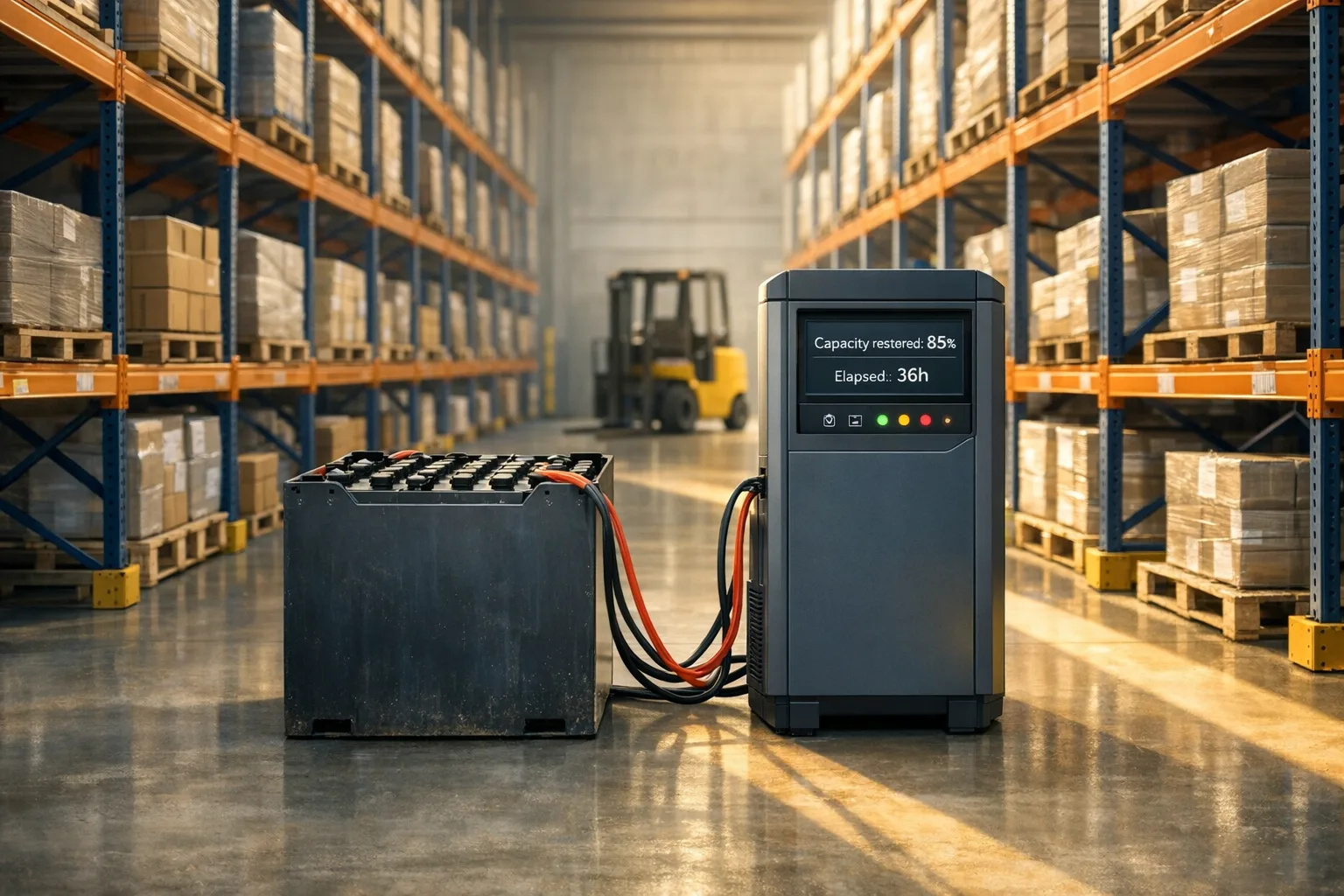
- Battery care: Proper charging practices and regeneration services can restore up to 80% of battery capacity, saving costs on replacements.
- Record-keeping: Maintain detailed logs to track performance, predict issues, and schedule timely maintenance.
In Pakistan, where high temperatures and dusty environments are common, these steps can significantly reduce downtime and repair costs. Fazlerasheed And Company offers tailored solutions to help warehouses maintain equipment efficiently while managing costs.
Setting Up Maintenance Schedules
Creating an effective maintenance schedule starts with understanding the unique needs of each piece of equipment and aligning them with the specific conditions of your warehouse. While manufacturer guidelines provide a solid foundation, adapting these recommendations to actual usage patterns ensures a more reliable operation and extends the life of your equipment.
Why Regular Scheduling Works
Consistent maintenance schedules aren't just a good idea - they're essential for reducing costs and keeping operations smooth. On average, maintenance expenses range from Rs 120 to Rs 420 per operating hour. The frequency of service depends on the type of equipment. For example, internal combustion forklifts typically require maintenance every 250–300 hours, while electric forklifts can go up to 500 hours between services.
In addition to being a smart business practice, regular maintenance is also a legal necessity. OSHA regulations require that forklifts be in top condition before use. This is especially relevant in Pakistan, where local warehouse conditions, like dust or fluctuating temperatures, often lead to faster wear and tear. It’s worth noting that maintaining gas-powered forklifts can cost 25–50% more than electric ones. With Pakistan's fluctuating fuel prices and the growing reliability of electric power in industrial areas, this cost difference becomes even more significant.
Custom Maintenance Plans
Fazlerasheed And Company offers tailored maintenance plans designed to meet the specific challenges of your warehouse operations. These plans take into account critical factors like manufacturer guidelines, fuel type, service history, operating environment, and hours of usage. For example, their electric forklifts require servicing every 500–1,000 hours, while gas forklifts need attention every 250 hours. This extended service interval for electric models enables warehouse managers to minimise disruptions and plan operations more effectively.
To further assist businesses, Fazlerasheed And Company provides maintenance packages that help streamline operations and avoid surprise repair bills. They recommend adhering to the manufacturer’s service schedule - typically every 90 days or 100 hours - but also encourage adjustments based on real-world usage and environmental conditions.
For warehouses in Pakistan, where seasonal demand can increase orders by 30–50%, custom maintenance plans become especially valuable. Fazlerasheed And Company adjusts schedules to ensure equipment is serviced before these peak periods, preventing breakdowns during critical times.
A practical step to improve maintenance is keeping a logbook for each forklift. This helps track usage and performance trends, allowing for more precise scheduling. For example, forklifts operating in dusty or extreme environments might need more frequent attention compared to those in controlled conditions. Completing a daily operator checklist is another simple yet effective way to spot potential issues early, ensuring maintenance addresses actual problems rather than following a generic timeline.
| Equipment Type | Service Interval | Key Considerations |
|---|---|---|
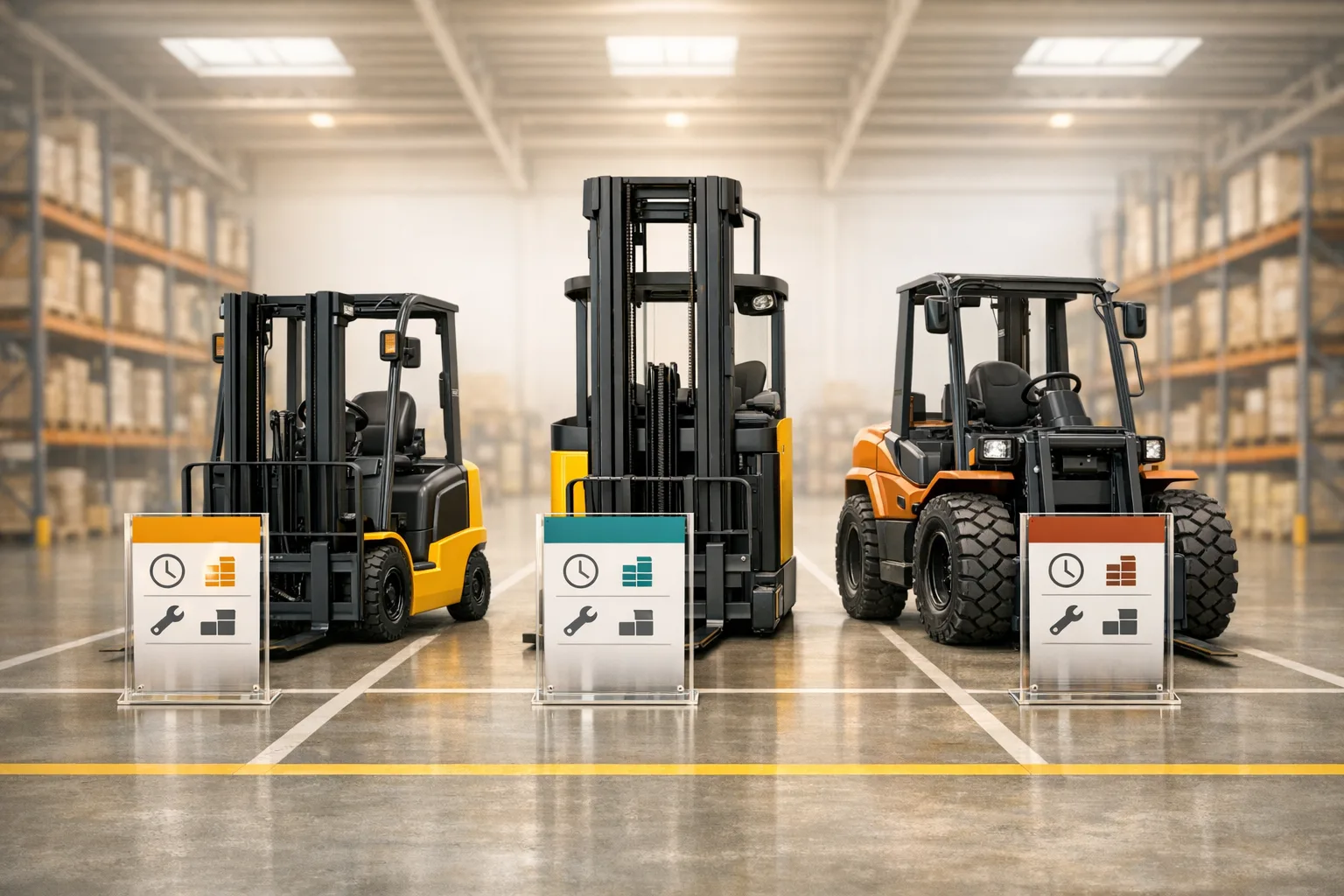
| Electric Forklifts | Every 500–1,000 hours | Battery checks, charging system maintenance |
| Gas Forklifts | Every 250 hours | Engine and fuel system servicing |
| Reach Trucks | Every 500 hours | Hydraulic system checks, mast inspections |
Seasonal changes also bring unique challenges. For instance, warmer weather can lead to overheating in internal combustion forklifts, reduced efficiency in battery-powered units, and added stress on hydraulic systems. Custom maintenance plans address these issues by increasing inspection frequency during summer months and adapting service schedules to match operational demands. This proactive approach ensures that inspections and repairs are done before problems arise, keeping your equipment in top shape year-round.
Equipment Inspections and Testing Methods
Incorporating thorough inspections and testing methods into maintenance routines is crucial for ensuring that equipment operates safely and efficiently. Regular inspections, such as those mandated by OSHA for forklifts and other powered industrial trucks, are required either daily or before each shift in continuous operations. These aren't just compliance measures - they're vital for avoiding expensive repairs and reducing the risk of workplace accidents.
The real benefit of inspections lies in identifying problems early. Certified technicians can spot defects before they escalate into major issues. This approach is especially critical in Pakistan, where warehouse equipment often faces tough conditions like dust, humidity, and temperature changes. By addressing potential issues early, businesses can avoid costly disruptions and keep operations running smoothly.
"Regular forklift maintenance is the key to avoiding frustrating breakdowns and costly repairs. By keeping an eye on your battery, fuel, hydraulics, tyres, and brakes, you can prevent most issues before they even start." - Forklift Select
Inspection Checklist
A structured inspection process helps ensure that no potential issue is overlooked. Below are key areas that require attention during routine maintenance checks:
- Battery inspections: Batteries are a common source of performance issues if neglected. Check terminals for damage, corrosion, or leaks. Verify electrolyte levels (refill with distilled water after charging) and keep terminals clean and free of debris.
- Connections: Ensure all connections are tight and secure, as loose ones can impact performance. Also, confirm the battery is charging properly since improper charging can shorten its lifespan.
- Hydraulic systems: Inspect hoses, fittings, and cylinders for leaks. Check hydraulic fluid levels and look for signs of wear on seals.
- Tyres: Look for wear patterns, uneven tread that might signal alignment problems, and ensure proper inflation.
- Brakes: Pay attention to unusual sounds, check brake fluid levels, and test responsiveness during slow movements.
- Fuel and ignition systems: If the forklift doesn’t start, inspect fuel levels, the ignition switch, starter motor, and battery connections.
| Inspection Frequency | Key Components | Specific Checks |
|---|---|---|
| Daily | Battery, Fluid Levels, Connections | Check for visible damage, ensure electrolyte levels, clean terminals, and verify charging status |
| Weekly | Battery Chemistry, Temperature, Casing | Test specific gravity, monitor heat levels, check casing integrity, and secure vent caps |
| Monthly | Complete System, Load Testing, Documentation | Conduct full visual inspections, perform capacity tests, ensure charger functionality, and review maintenance records |
Testing Tools and Methods
While visual inspections are essential, advanced diagnostic tools add another layer of reliability to equipment maintenance. Fazlerasheed And Company employs cutting-edge tools as part of their FR Care and Maintenance services, ensuring that inspections go beyond the basics.
- Battery testing tools: Hydrometers measure the specific gravity of electrolytes in each cell, while digital multimeters check voltage output to identify charging problems. Load testers are used to evaluate battery capacity during monthly checks.
- Temperature monitoring: Infrared thermometers and other temperature sensors detect excessive heat in chargers, batteries, motors, and hydraulic pumps, helping to prevent overheating issues.
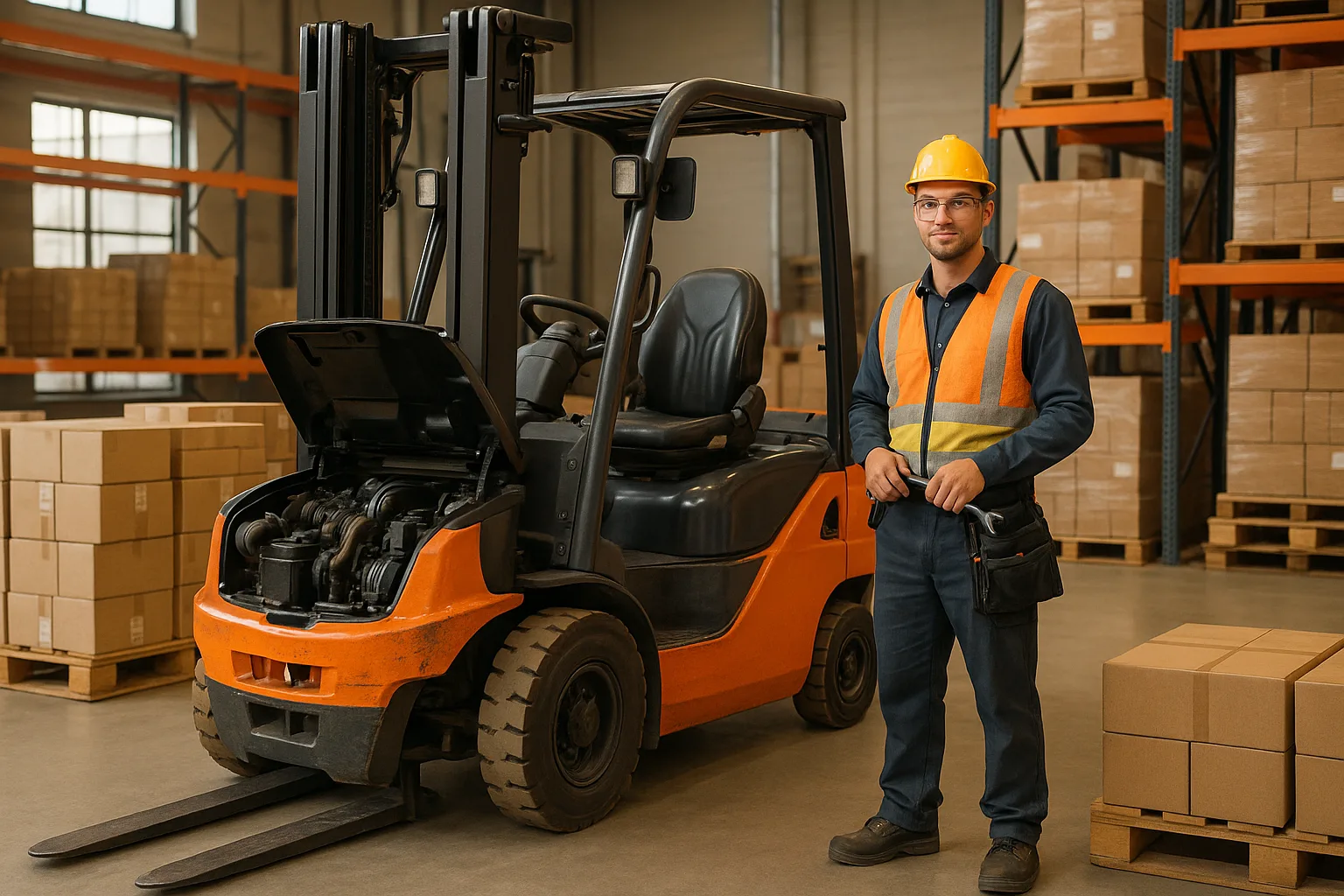
Trained engineers from Fazlerasheed And Company use calibrated tools to conduct detailed inspections. They thoroughly examine wiring harnesses and connectors for wear and ensure chargers meet voltage specifications. Every inspection and repair is logged as part of a preventative maintenance schedule, which helps track performance trends and identify recurring issues early.
Following manufacturer guidelines, investing in technician training, and understanding battery chemistry are all important for keeping testing methods effective. Proper use of charger technologies also plays a key role in extending battery life and maintaining workplace safety. Regular inspections and maintenance not only protect your equipment but also contribute to a safer and more efficient work environment.
Cleaning, Lubrication, and Parts Replacement
Keeping equipment clean, properly lubricated, and replacing parts on time is crucial to avoid breakdowns, reduce costs, and maintain performance - especially in environments with dust, humidity, and fluctuating temperatures.
Cleaning and Rust Prevention
Regular cleaning is a must to avoid overheating, corrosion, and early component failure. Dust and debris can block airflow and disrupt electrical connections, so it's important to clean equipment surfaces often. Use cleaning methods that protect seals and finishes to avoid causing additional damage.
Lubrication and Wear Prevention
Lubrication plays a vital role in reducing friction, cutting down wear, and extending the lifespan of equipment. It's worth noting that more than half of bearing failures are linked to poor lubrication practices, making this a cost-effective maintenance step.
Different parts of a forklift need specific types of lubricants:
- Hydraulic oils: These are essential for lifting mechanisms, pumps, valves, and cylinders. They help dissipate heat and prevent rust and oxidation.
- Greases: Used for bearings and pivot points, greases handle heavy loads and high pressures while offering protection against water and corrosion.
- Gear oils: These are used to lubricate transmission components, reducing friction and preventing overheating.
"The effects of under-lubrication are well-known: increased component wear, premature failure, higher energy usage, increased operating and maintenance costs. But the effects of over-lubrication can be just as harmful. It wastes lubricant, can lead to excess heat build-up, puts stress on lube points, and increases downtime. The solution is obvious: optimal lubrication." - Charles Hartl, Global Product Marketing Manager Lubrication Equipment Division, Graco
Proper lubrication can save up to 10 hours of work each month, and some warehouses have seen a 15% drop in issues caused by routine greasing. Key areas to lubricate include the mast assembly, steering system, drivetrain components, and forks.
Before applying any lubricant, always inspect and clean the parts. Use the manufacturer-recommended amount and remove any excess grease. Over-lubrication can attract dirt and debris, which may lead to more problems. By following these steps, you ensure that moving parts work efficiently until it's time to replace them.
When to Replace Parts
Cleaning and lubrication are only part of the equation - replacing worn-out components is equally important. Timely parts replacement not only ensures worker safety but also keeps productivity high and equipment in good condition. Look out for warning signs like visible damage (cracks, scratches, or missing screws/bolts), frequent maintenance needs, strange noises or vibrations, fluid leaks, and reduced efficiency.
Regular inspections can also uncover structural problems. For instance, if anchor bolts are sticking out from upright foot plates, the rack might be off-balance or damaged from an impact. Similarly, gaps between beams and uprights might suggest that beams have bent under heavy loads or that bolts have loosened.
Fazlerasheed And Company provides top-notch spare parts and maintenance services to keep your equipment running safely and effectively. Their skilled engineers evaluate the condition of components and create replacement schedules tailored to your usage and operating conditions. Keeping an inventory of critical spare parts and sticking to manufacturer guidelines can help you avoid unexpected downtime and keep maintenance costs manageable.
sbb-itb-a884676
Battery Maintenance and Regeneration
Keeping warehouse equipment running smoothly heavily depends on proper battery care. By maintaining batteries correctly, you can significantly extend their lifespan, ensuring consistent performance and reducing downtime.
Correct Charging Methods
How you charge your batteries can make or break their longevity. Poor habits, like overcharging or over-discharging, are among the top reasons for premature battery failure. Always aim to complete charging cycles without interruptions.
Temperature plays a big role during charging. Ensure charging areas are well-ventilated and avoid exposing batteries to excessive heat, as high temperatures can damage their internal components. Proper ventilation also helps prevent the buildup of potentially hazardous gases.
For lead-acid batteries, keeping an eye on water levels is a must. After charging, check the water levels and top up with distilled water as needed, since the charging process can cause electrolyte levels to rise. Use high-quality chargers that match the battery's voltage and amp-hour capacity. Intelligent chargers, which can adjust automatically to prevent undercharging or overcharging, are a great option. It's equally important to test chargers regularly to ensure they’re functioning within the manufacturer’s guidelines.
Avoid "opportunity charging" with lead-acid batteries, as it can drastically reduce their lifespan. Train operators on proper charging practices and store chargers in a cool, dry place when not in use. When repair costs for chargers become too high, it’s better to replace them.
If proper charging no longer restores battery performance, it might be time to consider regeneration services.
Battery Regeneration Services
When batteries start underperforming, regeneration can often recover up to 80% of their original capacity - saving you from the hefty cost of buying new ones. This solution is especially appealing in Pakistan’s cost-conscious market, aligning with broader cost-saving strategies.
Fazlerasheed And Company offers specialised battery regeneration services using advanced high-frequency pulsation technology. This process allows businesses to avoid the steep expense of new batteries while restoring performance.
Some key signs that indicate a battery might benefit from regeneration include:
- Decreased performance: Forklifts may struggle to lift loads, start slowly, or require frequent recharging.
- Overheating: Excessive heat during normal use often signals internal issues.
- Visible damage: Cracks, dents, or corrosion on the battery casing point to potential problems.
- Terminal issues: Corroded or damaged battery connections can disrupt power flow.
- High water consumption: This could be a sign of internal corrosion or acid leakage.
- Dim or flickering displays: Such issues suggest the battery isn’t delivering adequate power.
- Critical warning signs: Acid leakage, a strong "rotten eggs" smell, or smoke coming from the battery require immediate action.
Fazlerasheed And Company collaborates with top-tier traction battery brands like Hawker, Eternity, Sunlight, and Trojan, tailoring their regeneration services to each battery type. Their skilled engineers assess the battery’s condition to determine whether regeneration is viable or if replacement is the better option.
Regeneration typically takes several days and is far more economical than purchasing a new battery. For instance, a new electric forklift with a 5,000 kg capacity could cost between Rs. 32,00,000 and Rs. 48,00,000. On the other hand, regeneration can extend the battery’s life by several years at a fraction of that cost. With proper maintenance and timely regeneration, you could stretch a battery’s lifespan from the usual 5 years to as much as 10 years.
Routine monitoring and professional evaluations are key to determining the right time for regeneration services, ensuring you get the most out of your battery investment.
Maintenance Records and Performance Tracking
Keeping precise records and analysing data are key to maintaining reliable warehouse equipment. Without detailed records, it's challenging to evaluate the condition of equipment or predict future maintenance needs. Accurate documentation ensures machinery operates safely and efficiently.
Maintenance Logs and Reports
Maintenance logs are the backbone of effective equipment management. These logs should include essential details like equipment identification, maintenance schedules, service history, repair records, and reports on operational performance.
Make sure to document serial numbers, purchase dates, and user manuals to give technicians quick access to important information. Switching to digital logs offers several advantages over traditional paper systems. They’re easier to access, provide reliable audit trails, and minimise the risk of losing data. Standardised log formats across all equipment make it simpler to identify usage trends and spot items that may need extra care.
Automation can take this a step further by reducing manual entry errors and cutting down on administrative tasks. Modern Computerised Maintenance Management Systems (CMMS) can automatically schedule tasks, track completions, and generate reports. Assigning responsibility for log updates ensures accountability, while regular staff training maintains consistency and accuracy in record-keeping.
These logs are not just records - they are a valuable source of insights into equipment performance.
Performance Data Analysis
Analysing maintenance data can uncover patterns that help prevent expensive breakdowns. By tracking performance over time, you can spot irregularities that might signal potential issues before they escalate.
Globally, predictive maintenance is gaining traction. The market is expected to hit USD 36.01 billion by 2029, growing at an annual rate of 32.30% between 2022 and 2029. Real-time monitoring, powered by sensors and performance metrics, allows for proactive maintenance. AI systems, for example, continuously analyse sensor data to detect early signs of wear or failure. In warehouse settings, AI-driven predictive systems monitor conveyor belts and storage racks, predicting when components will need attention. This reduces downtime and lowers costs. Similarly, large retail distribution centres use AI to monitor equipment like forklifts, predicting battery wear and scheduling timely replacements.
Maintenance analytics combines historical data with real-time insights to optimise equipment reliability and performance. Integrating CMMS data with predictive models enables better scheduling and resource allocation. For instance, an Italian manufacturer saved €250,000 annually and reduced downtime by 30% using an AI-powered predictive maintenance system. This system combined IoT sensor data, historical logs, and machine learning to send timely alerts and optimise parts replacement cycles.
Regularly reviewing performance data can also highlight equipment that demands more attention than expected. This might point to design flaws or operational inefficiencies, guiding decisions on replacements, schedule tweaks, or process changes. Additionally, mobile CMMS apps empower technicians with real-time access to asset details, work orders, and parts tracking - even offline - keeping records accurate and up-to-date.
Key Points for Effective Preventive Maintenance
Preventive maintenance is built around five key elements that work together to improve productivity and cut costs.
Regular scheduling is the cornerstone of any preventive maintenance programme. Companies with well-structured maintenance plans can reduce equipment downtime by 30% and extend the lifespan of machinery by up to 40%. This proactive approach helps avoid sudden breakdowns, which can cost warehouses in Pakistan significant amounts in lost productivity and emergency repairs.
Beyond scheduling, each element adds to overall operational reliability. Routine inspections and testing are essential to catch small issues before they turn into major, expensive problems. Using standardised checklists and diagnostic tools ensures thorough inspections, which is especially important given the tough operating conditions often faced in Pakistan.
Cleaning, lubrication, and timely parts replacement are critical to protecting equipment from early wear and tear. Regular cleaning removes dust and debris that can lead to overheating, while proper lubrication minimises friction between moving parts. In Pakistan’s challenging environment, these tasks are even more vital to ensure equipment runs smoothly.
Battery maintenance and regeneration play a major role in controlling costs, particularly for forklift fleets. Correct charging practices and professional regeneration services can restore battery capacity by up to 80%, significantly extending their lifespan. This reduces the need for frequent and costly replacements, a key concern in Pakistan’s market.
Comprehensive record keeping and performance tracking empower businesses to make informed maintenance decisions. Detailed logs help identify recurring problems, monitor expenses in Pakistani rupees, and justify investments in new equipment. When combined with regular inspections, these practices create a robust maintenance strategy. Predictive maintenance, integrated with preventive measures, can lower maintenance costs by 8–12% compared to reactive approaches.
Fazlerasheed And Company offers tailored maintenance solutions that incorporate these five essential factors. Their services include scheduled maintenance programmes, battery regeneration to restore up to 80% capacity, and full support for forklifts, reach trucks, and other material handling equipment. This approach aligns international maintenance standards with the specific challenges and resource limitations of local operations.
Think of these five elements as parts of a larger system. Together, they help reduce costs, improve equipment reliability, and maximise lifespan - all while addressing the unique demands of operating in Pakistan.
FAQs
How can I customise maintenance schedules for warehouse equipment based on usage and environmental conditions specific to Pakistan?
To tailor maintenance schedules for warehouse equipment in Pakistan, it's crucial to consider real usage patterns and the local environment. Factors like high temperatures, humidity, and dust - common across various parts of Pakistan - can speed up wear and tear on equipment such as forklifts and batteries. Regular inspections are essential to spot any strain caused by these conditions and to adjust maintenance intervals as needed.
Adopting condition-based maintenance can make a big difference. By using diagnostic tools or sensors, you can keep an eye on equipment health and catch potential issues early. Keeping a detailed log of usage hours, environmental conditions, and previous maintenance records can help fine-tune your servicing schedules. This way, equipment is serviced only when necessary, cutting down on costs while boosting operational efficiency.
What are the key warning signs that your forklift batteries may need regeneration services?
If your forklift batteries aren’t performing as they used to, it might be the right moment to explore regeneration services. Here are some common signs to watch for:
- Shorter operating times after charging, leading to frequent work disruptions.
- Extended charging times, which can throw off your workflow.
- Batteries overheating quickly, whether during use or while charging.
- A decline in power output, impacting your forklift’s efficiency.
- Trouble reaching a full charge, even after prolonged charging sessions.
Taking action early can help you prolong the life of your batteries, minimise downtime, and cut down on the expense of replacements.
How does keeping detailed maintenance logs and analysing performance data improve warehouse equipment efficiency?
Keeping thorough maintenance logs and analysing performance data can significantly improve how well your warehouse equipment runs. By monitoring usage trends, pinpointing common problems, and planning timely maintenance, you can avoid sudden breakdowns and minimise downtime. This approach ensures that equipment like forklifts and batteries keeps running smoothly and efficiently.
Digging into performance data also reveals inefficiencies, helps streamline workflows, and contributes to prolonging the lifespan of your machinery. With precise records in hand, warehouse managers can make smarter decisions, plan budgets more effectively, and allocate resources in a way that saves costs and keeps operations running seamlessly.
Looking for Forklifts or Parts?
Fazlerasheed & Co. supplies reconditioned forklifts, genuine spare parts, and traction batteries across Pakistan. Get a free quote today.