Common Electric Forklift Problems and Their Solutions
Electric forklifts are critical for warehouses in Pakistan, especially as e-commerce drives rapid growth in logistics. But frequent issues like battery failures, motor malfunctions, hydraulic problems, and brake issues can disrupt operations and inflate costs. Here's the key takeaway: early detection and regular maintenance can save time, money, and resources.
Key Problems and Solutions:
- Battery Issues: Reduced runtime, overheating, and sulfation are common. Fix these by maintaining water levels, charging correctly, and storing batteries in a cool environment.
- Motor Failures: Sluggish performance or overheating often signals worn brushes or wiring issues. Regular cleaning, proper lubrication, and voltage diagnostics can prevent breakdowns.
- Hydraulic Problems: Contaminated fluid and leaks are frequent culprits. Routine fluid checks, replacing worn seals, and cleaning filters are essential.
- Brake Failures: Grinding noises or difficulty stopping indicate worn-out pads or fluid issues. Regular inspections, cleaning, and fluid replacement can ensure safety.
For Pakistani warehouses, a structured maintenance schedule - daily checks, monthly servicing, and professional inspections every 500 hours - can prevent costly disruptions. Partnering with experts like Fazlerasheed And Company for battery regeneration, genuine parts, and professional services further boosts forklift reliability and efficiency.
Battery Problems and Charging Issues
In the challenging conditions of Pakistani warehouses, maintaining reliable battery performance is vital for smooth operations. Battery-related issues in electric forklifts can account for up to 30% of a truck's value, so understanding and addressing these problems is essential for cost-efficient management.
Signs and Causes of Battery Problems
Catching battery problems early can save warehouse managers significant expenses in replacements. Some common warning signs include reduced runtime, slower lifting speeds, inconsistent charging, dim or flickering displays, and batteries that drain unusually fast after charging. Visible issues like swelling, bulging, or electrolyte leaks often signal an impending failure. Overheating during charging or operation is another red flag, often caused by poor ventilation or high internal resistance. Repeated corrosion on battery terminals, even after cleaning, may indicate poor electrical contact or imbalanced electrolyte levels.
Premature battery failure often stems from maintenance lapses and environmental stress. One major culprit is sulfation, where lead sulfate crystals form on the battery plates, reducing efficiency. High temperatures are another significant factor - every 10°C increase above 25°C can cut battery life in half. This is particularly concerning in cities like Karachi, where summer temperatures frequently exceed 40°C.
How to Fix Battery Problems
Fixing battery issues requires a mix of proper care and environmental adjustments. Here are some practical steps:
- Check water levels every 5–10 cycles and top up with distilled water when needed.
- Let batteries discharge to around 20% before recharging fully, and allow them to cool after use, especially in hot conditions.
- Stick to a consistent charging schedule and avoid "opportunity charging" unless the battery is specifically designed for it.
- Store batteries in a cool, dry environment, ideally between 15°C and 25°C.
- Clean the battery tops monthly using a mix of baking soda and water to neutralise acid residue, followed by a clean water rinse and thorough drying.
- Track battery usage by logging depth of discharge, charge cycles, and runtime.
- Perform equalisation charging periodically to balance cell voltage and prevent sulfation.
- Ensure the charger’s output matches the battery’s specifications, and watch for any error codes or malfunctions on the charger display.
Battery Replacement vs. Regeneration
When battery performance deteriorates, managers need to weigh the options between replacement and regeneration. Regeneration involves reconditioning the existing cells and is typically a more affordable initial solution. However, it’s only suitable for batteries without severe physical damage or heavy sulfation. Replacement becomes necessary when batteries show significant physical damage, severe capacity loss, or have undergone multiple regeneration cycles. New batteries provide consistent performance and come with warranty protection, making them the better choice for critical operations.
Maintaining a detailed service log is crucial. By tracking all maintenance activities, including battery checks, managers can make informed decisions about whether to opt for regeneration or replacement based on the battery’s history and current state.
Next, we’ll dive into motor and drive system issues that also impact forklift performance.
Motor and Drive System Problems
While battery issues often steal the spotlight, motor and drive system problems can be just as disruptive to warehouse operations. These systems are essential for forklift movement and lifting tasks, so when they fail, productivity takes a hit. Let’s dive into some common motor issues and practical repair strategies.
Common Motor and Drive System Problems
Motor failures rarely happen out of the blue. One of the earliest signs of trouble is a loss of power. Operators might notice the forklift moving sluggishly or struggling to lift loads it previously handled with ease. This is often caused by worn brushes, damaged wiring, or faulty controllers that disrupt the electrical flow to the motor. Strange noises, like grinding or high-pitched squeals, can also signal mechanical wear.
Overheating is another frequent issue, especially during Pakistan’s scorching summers when warehouse temperatures soar. Overheated motors automatically reduce their performance to protect internal components, leading to slowdowns during critical operations.
A complete failure to start is a more severe problem. This could mean the motor is receiving power but isn’t engaging, or it might be cut off entirely due to controller issues or broken connections. Excessive vibration, if ignored, can worsen over time and damage other components. Studies show that nearly 80% of electric motor failures are preventable if early warning signs are addressed.
Damaged wiring often causes intermittent issues, making it tricky to diagnose. Connections may work under light loads but fail when the forklift is pushed harder. Faulty controllers can lead to erratic acceleration and unpredictable responses. In brush-type motors, worn brushes reduce power output and, if left unchecked, can lead to total motor failure.
Repair and Maintenance Solutions
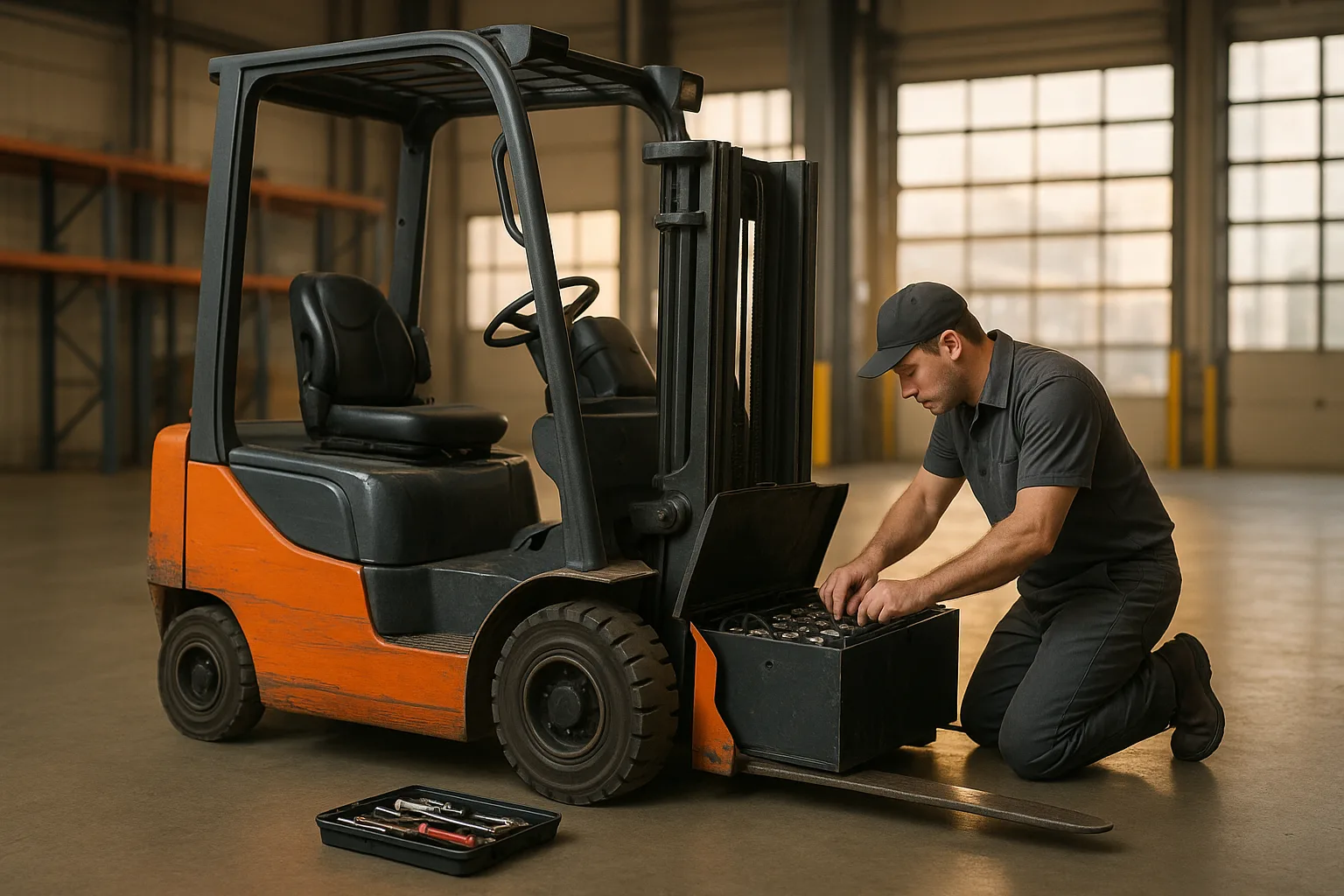
Once motor problems are identified, timely repairs are crucial. Start with a systematic diagnosis and ensure regular preventive care. Begin by visually inspecting motor components for signs of overheating, such as discoloured wiring or burnt smells, as well as loose connections or physical damage to the housing.
Use a multimeter to perform voltage diagnostics and pinpoint electrical issues. As noted by Intella Parts Blog:
"A voltage drop test will help you to isolate where voltage is being dropped, or used up" – Intella Parts Blog.
Maintaining proper ventilation is key. Regularly clean air vents and remove obstructions to ensure optimal airflow. In dusty warehouse environments common in Pakistan, frequent cleaning is especially important. Include checks of motor brushes and commutators during maintenance routines, replacing them as needed. Also, inspect electrical connections for tightness and signs of corrosion, particularly during the humid monsoon season.
Lubricate motor bearings as per the manufacturer’s recommendations to prevent premature wear and reduce noise. Be cautious, though - over-lubrication can attract dust and debris. Early analysis of vibrations and encouraging staff to report irregularities can help catch issues before they escalate.
Operators should also be trained to avoid overloading forklifts and to accelerate gradually. If overheating occurs, reduce the load, inspect the cooling system, and allow the motor adequate time to cool down.
Keeping detailed maintenance records for each forklift is essential. Track motor performance, repair history, and replacement schedules. These records not only help predict when parts need attention but can also support warranty claims when necessary. Like batteries, motors require consistent care to keep forklifts running smoothly in the demanding conditions of Pakistani warehouses.
For modern forklifts with computer-controlled systems, some diagnostics may require specialised tools and expertise. When faced with complex electrical faults or controller issues, it’s best to call in qualified technicians to ensure the problem is resolved effectively.
Hydraulic and Lifting System Issues
The hydraulic system is the heart of a forklift's lifting mechanism. When it fails, operations come to a halt, and safety risks increase significantly. For warehouse operations in Pakistan, where forklifts are indispensable, understanding these issues and their solutions is key to maintaining efficiency.
What Causes Hydraulic System Problems
Hydraulic failures usually stem from a few common issues. One of the most frequent culprits is contaminated hydraulic fluid, which accounts for roughly 80% of forklift hydraulic lift failures, according to research. In Pakistan's dusty warehouse environments, this problem can escalate quickly, as fine particles easily infiltrate the system.
Another frequent issue is fluid leaks, which can occur in components like control valves, lift cylinders, tilt cylinders, auxiliary lines, or hydraulic hoses. Even something as simple as a loose nut can lead to leaks. Left unchecked, these leaks allow contaminants to enter the system, wearing down components faster and shortening the lifespan of both the machinery and the hydraulic fluid.
Low hydraulic fluid levels are another common problem. They can cause sluggish lifting, jerky movements, or even a complete failure to lift loads. Older forklifts or those operating under harsh conditions often suffer from worn seals and cylinders, particularly in key areas like the lift, tilt, and power steering cylinders.
Overloading forklifts is another issue. Operators often push machines beyond their rated capacity during busy periods, which places excessive strain on hydraulic components, leading to premature wear. Additionally, clogged filters can restrict fluid flow, reducing performance and causing overheating. Identifying these problems early is essential for effective repairs.
How to Fix Hydraulic Problems
Fixing hydraulic issues starts with safety. Always depressurise the hydraulic system before beginning any inspections or repairs to avoid injuries.
Begin by inspecting all hydraulic components for leaks. Tighten any loose fittings and replace damaged parts to ensure smooth and safe operations.
Hydraulic fluid should be checked regularly. If it appears dirty, discoloured, or contains particles, it needs immediate replacement. Clean fluid is typically clear or slightly amber, while dark or cloudy fluid signals contamination. Damaged components like worn hoses, faulty seals, and malfunctioning cylinders should be replaced with manufacturer-approved parts to maintain proper functionality.
In cases where the forklift lifts slowly or becomes unresponsive, first check the hydraulic fluid levels. If low, top up with the recommended type of fluid. Inspect hydraulic cylinders for leaks or worn seals and replace any damaged parts. Additionally, test the lift pump and control valves for proper pressure and flow. These components can deteriorate over time, so diagnostic tools should be used to scan for error codes in electronic lifting systems, including wiring, sensors, and control modules.
Industry practices recommend routine inspections of hoses, seals, and connectors. Damaged parts should be replaced, fluid levels topped up, and a preventative maintenance schedule implemented to avoid costly repairs.
Hydraulic Problem Symptoms and Solutions
Understanding the link between symptoms and their causes can make diagnosing issues much faster. Here’s a quick reference table for common hydraulic problems:
| Symptom | Likely Cause | Recommended Action |
|---|---|---|
| Slow lifting speed | Low fluid levels, contaminated fluid, worn pump | Check and replace fluid, inspect pump, verify fluid levels |
| Jerky or erratic lifting | Air in the system, worn control valves, damaged cylinders | Bleed air, replace faulty valves, inspect cylinder seals |
| Lifting failure | Empty fluid reservoir, failed pump, electrical fault | Refill fluid, test pump pressure, check electrical connections |
| Fluid leaks under forklift | Damaged hoses, worn seals, loose fittings | Inspect connections, replace worn parts, tighten fittings |
| Mast drift (forks drop slowly) | Faulty oil control valves, insufficient pressure, damaged cylinders | Replace control valves, check pressure, inspect cylinders |
| Overheating hydraulic system | Clogged filters, overloading, poor ventilation | Replace filters, reduce load, improve airflow |
Adopting a preventative maintenance program can significantly reduce costs. Research shows that businesses can save up to 25% annually on equipment-related expenses by addressing issues before they escalate. Moreover, OSHA reports nearly 100 forklift-related fatalities and over 35,000 serious injuries annually in the United States, many of which result from preventable mechanical failures. Companies that stick to structured maintenance schedules can also save up to 30% on repair costs compared to those that only act after breakdowns.
Regular inspections, timely repairs, and using quality replacement parts can keep hydraulic systems running efficiently. This ensures forklifts remain productive assets rather than becoming costly liabilities. Moving forward, the next section will delve into brake and safety system problems.
sbb-itb-a884676
Brake and Safety System Problems
Brake failures rank among the most dangerous forklift issues, especially in busy warehouses where forklifts are in constant use. Unlike hydraulic problems that mainly affect productivity, brake malfunctions pose a direct threat to worker safety and can lead to severe accidents. Just like battery and hydraulic systems, brakes require diligent maintenance to ensure forklifts operate safely and reliably.
"Bad forklift brakes put your workers and your company in jeopardy. That's why OSHA requires daily forklift brake inspections." - Rick Gilleland, The Lilly Company
Forklift brakes typically last between 5,000 and 7,000 hours under normal conditions. However, in Pakistan’s dusty and demanding warehouse environments, this lifespan can be significantly shorter. Recognising the warning signs early is essential to prevent accidents and ensure timely repairs.
Signs and Causes of Brake Problems
Spotting brake issues early can make all the difference in avoiding accidents. One of the most obvious signs is a grinding noise during braking, which indicates metal-on-metal contact. This usually means the brake pads are completely worn out and need immediate replacement. Ignoring this can lead to further damage as metal parts scrape against each other.
Another critical warning sign is difficulty stopping. This may manifest as brakes feeling soft or spongy, requiring more pressure to stop, or even sudden braking failures. As a rule of thumb, a forklift moving at about 6.5 km/h should stop within 7.5–9.1 metres, while one travelling at 13 km/h should stop within 13.7–16.8 metres. If stopping distances exceed these ranges, there’s likely an issue with the brake system.
Braking deviation, where the forklift pulls to one side when braking, is another red flag. This occurs when the wheels don’t apply equal stopping force. Interestingly, brake squeal isn’t always a cause for immediate concern, especially if the noise fades once the forklift warms up or carries a load. However, persistent squealing should still be investigated.
Common causes of these brake problems include worn-out brake pads, contaminated brake fluid, damaged brake lines, debris build-up, and operator errors. Aggressive braking or using both feet to operate the pedals can accelerate brake wear. Additionally, Pakistan's dusty conditions can clog brake components and damage brake shoes.
Repair Steps and Prevention Tips
"Forklift brake components are crucial for safety and require regular brake maintenance to maintain peak performance and avoid accidents." - Conger Industries Inc.
Preventing brake issues starts with daily inspections by operators who can spot early signs of wear or malfunction during routine use. Catching problems early can save on costly repairs and prevent dangerous failures.
- Regular cleaning: Brake dust should be removed every 250 hours of operation. Keeping the surrounding area clean helps reduce debris build-up, which can accelerate wear.
- Fluid maintenance: Brake fluid levels should be checked frequently and topped up with the correct type. Contaminated or old brake fluid must be replaced immediately to maintain proper stopping power.
- Component checks: Inspect brake pads regularly for wear. If replacements are needed, always opt for OEM (Original Equipment Manufacturer) parts to ensure compatibility and reliability. Drum and shoe brakes, commonly used in forklifts, need more frequent attention compared to oil-cooled disc brakes, which are generally lower maintenance.
- Professional servicing: Schedule professional brake inspections annually or every 2,000 hours, whichever comes first. Trained technicians can identify hidden issues and thoroughly assess the entire brake system.
Operator training is also crucial. Teach forklift operators to avoid aggressive braking and refrain from using both feet, as these habits can wear out brakes prematurely. Additionally, ensure the parking brake meets the 15% grade standard, as this feature is vital in emergencies. Regular testing and documentation of these preventive measures are key to maintaining safety and efficiency.
How to Keep Repair Records
Keeping detailed repair records isn’t just about compliance; it’s also a practical way to track maintenance costs and spot recurring issues. In Pakistan, proper documentation can be especially useful during safety inspections.
Record each brake inspection or repair in the dd-mm-yyyy format, noting the condition of the brakes, actions taken, and the technician’s name. Digital records are ideal, but physical backups and photos of worn components can add an extra layer of detail.
Key details to include in these records:
- Brake fluid levels and condition
- Brake pad thickness measurements
- Stopping distance test results
- Any unusual noises reported by operators
- Scheduled maintenance activities
Reviewing these records regularly can help identify trends, such as brakes wearing out faster than expected. This might point to issues like overloading or environmental factors. Adopting a data-driven approach to maintenance can significantly reduce the risk of brake failures and improve overall safety.
Maintenance Plans for Pakistani Warehouses
Keeping forklifts in top shape requires a solid maintenance plan, especially when dealing with challenges like battery, motor, hydraulic, and brake issues. For Pakistani warehouses, the stakes are even higher due to the tough conditions - dust and high temperatures can wreak havoc on equipment. A well-thought-out plan not only protects your investment but also ensures your operations run smoothly, avoiding costly disruptions.
Electric forklifts, for instance, require service every 500 hours, compared to petrol or diesel models that need maintenance every 250–300 hours. This longer interval is a big win in Pakistan’s cost-sensitive market, where cutting down on maintenance expenses can make a noticeable difference to the bottom line.
By reducing downtime, extending equipment lifespan, and cutting operating costs, proper maintenance helps prevent production losses caused by unexpected breakdowns.
Setting Up a Maintenance Schedule
An effective maintenance schedule combines daily operator checks with regular professional servicing. Instead of following a one-size-fits-all timeline, tailor the schedule to your forklift’s actual usage and the environment it operates in.
Daily inspections should focus on quick but crucial checks - tyres, forks, mast, fluid levels, battery connections, and safety features. These small steps can stop minor issues from snowballing into major problems.
For weekly and monthly tasks, go deeper. Clean the forklift thoroughly to get rid of dust and debris - a must in Pakistan’s industrial settings. Check tyre pressure and tread wear, as high temperatures can speed up tyre deterioration. Inspect the hydraulic system for leaks and monitor battery charge cycles to keep everything running at its best.
Use Pakistan’s dd-mm-yyyy date format to make scheduling easier for everyone. For example, monthly battery checks could fall on the 15th of every month (15-01-2025, 15-02-2025, and so on). This keeps the schedule clear and easy to follow.
Professional servicing should occur every 500 hours or every three months, whichever comes first. During the monsoon season (July to September), step up inspection frequency since the increased humidity can corrode electrical components faster.
Don’t forget to maintain detailed records of every inspection, repair, and part replacement. These records help spot recurring problems - like batteries struggling in extreme heat or hydraulic seals failing more often due to dusty conditions.
Implementing a maintenance schedule effectively requires trained staff, which we’ll discuss next.
Training and Safety Rules
Training is the key to shifting from reactive to proactive maintenance. In Pakistan’s industrial sector, where skilled technicians can be hard to come by, investing in training pays off in the long run.
Operators should learn how to perform daily inspections and basic troubleshooting. They need to spot warning signs - like strange noises, vibrations, or performance dips - so that small problems don’t turn into big repairs.
Maintenance technicians need thorough training on electrical systems, battery care, and hydraulic repairs. This reduces reliance on external services and speeds up response times for urgent fixes.
Safety protocols should reflect local conditions. For example, establish guidelines for working in high temperatures, ensure proper ventilation for batteries, and take extra precautions during the humid monsoon months.
Training should also cover documentation. Accurate records of inspections and repairs help fine-tune maintenance schedules and predict when parts might need replacing. Regular refresher courses every quarter can keep skills sharp and introduce new tools or techniques as technology evolves.
Using Fazlerasheed And Company Services
!Fazlerasheed And Company
To complement your maintenance efforts, Fazlerasheed And Company offers specialised solutions tailored to Pakistani warehouses. Their planned and full maintenance plans eliminate the guesswork from forklift care.
"Reach trucks/Fork lifters Planned Maintenance and Full Maintenance Plans offer you an unmatched peace-of-mind and protection of your investment."
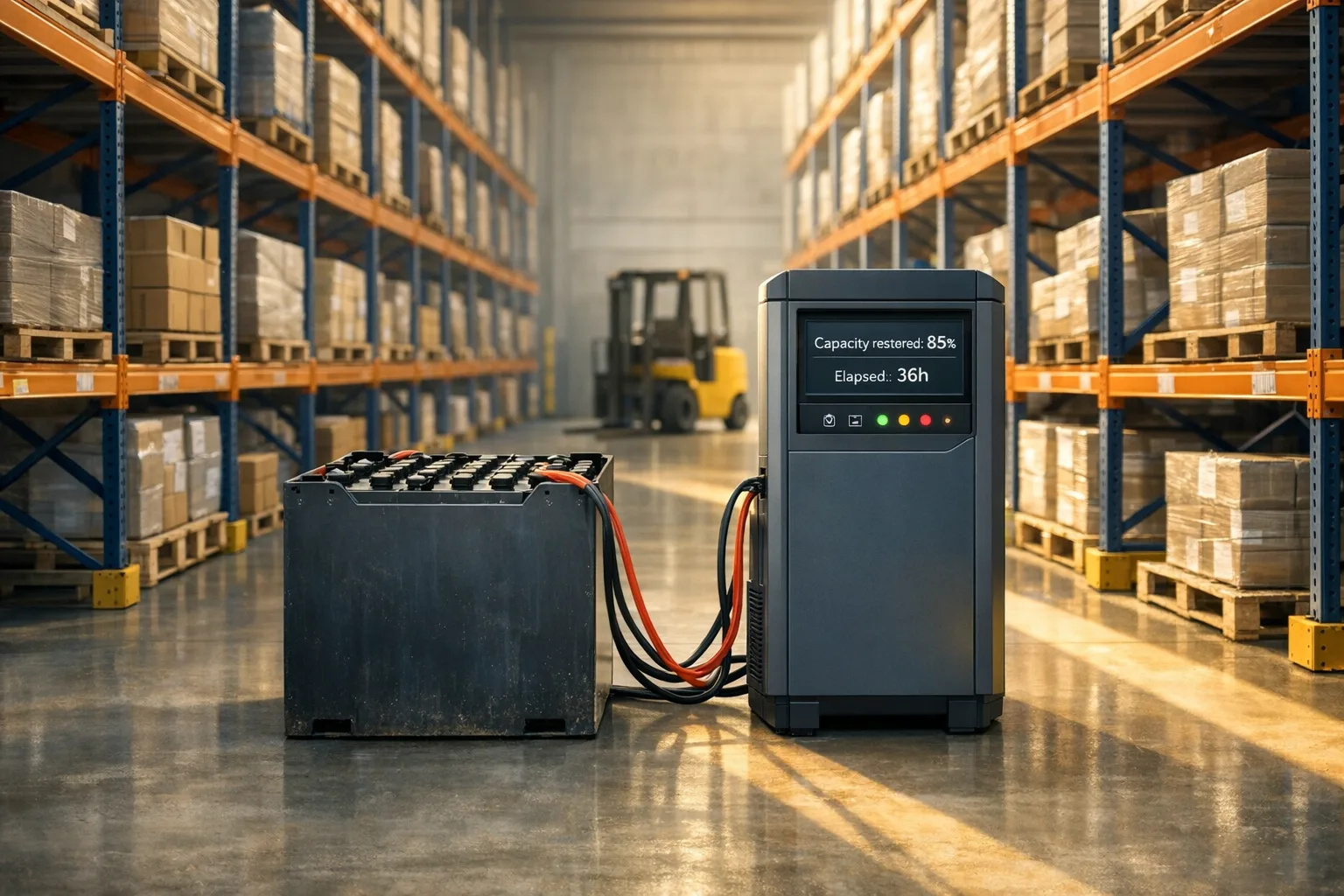
One standout service they offer is battery regeneration. Instead of replacing batteries that have lost capacity, their process can restore up to 80% of the battery’s original performance. In a market where every rupee counts, this can save businesses a fortune compared to premature battery replacements.
The company also supplies genuine spare parts, ensuring compatibility and reliability. Using OEM parts helps maintain warranties and avoids issues that can arise with generic alternatives, especially for sensitive electrical components.
In 2024, Fazlerasheed And Company used advanced tools to recondition malfunctioning material handling equipment, helping clients save significantly on repair and replacement costs. They also offer retreading services for wheels, castors, and rollers using high-quality German Vulkollan materials. This is particularly useful for the concrete floors common in Pakistani warehouses.
By partnering with Fazlerasheed And Company, warehouses can budget their maintenance costs more predictably. Their trained engineers understand the local challenges - dust, heat, and humidity - and tailor solutions to meet these needs.
With professional maintenance services, genuine parts, and specialised options like battery regeneration, Fazlerasheed And Company provides a complete support system to keep forklifts running efficiently throughout their lifespan.
Conclusion
Electric forklift issues don’t have to disrupt your warehouse operations. The secret lies in early detection and consistent maintenance - spotting problems like battery wear, motor malfunctions, and hydraulic leaks before they escalate.
This guide has outlined practical, cost-conscious solutions tailored to the demands of Pakistan’s industrial landscape. For instance, battery regeneration can recover up to 80% of capacity, while regular hydraulic system checks help avoid expensive breakdowns. These approaches not only improve reliability but also ensure smoother, more efficient operations.
Customised maintenance schedules are crucial for keeping forklifts in top shape. Daily operator inspections, paired with routine professional servicing, create a strong defence against unexpected failures. These proactive measures are especially vital in Pakistan’s competitive markets.
Professional services also play a key role, bridging the gap between in-house capabilities and complex technical requirements. As Fazlerasheed And Company puts it:
"We are going global for business of electric fork lifters reconditioning / trade and all material handling solution with the aim to help our customers achieve efficient operations and reduced downtimes"
FAQs
How can I avoid battery issues in electric forklifts during Pakistan's hot weather?
To keep electric forklift batteries in good condition during Pakistan's hot weather, follow these steps:
- Keep batteries in a cool, shaded, and well-ventilated location, ensuring the temperature stays below 30°C.
- Avoid placing batteries in direct sunlight or areas with excessive heat.
- Let batteries cool off after use before starting the recharging process.
- Conduct routine checks to spot any signs of overheating, corrosion, or physical damage.
Taking these precautions can help prolong battery life, minimise downtime, and maintain your forklift's performance even in extreme heat.
How can I identify and fix motor or drive system problems in electric forklifts before they escalate?
Electric forklifts can show several warning signs when their motor or drive system isn't functioning properly. These include overheating, unusual noises, loss of power, gear-shifting difficulties, and noticeable vibrations. Slipping gears or inconsistent performance are also common indicators that something might be wrong.
To tackle these problems early, make it a habit to inspect the motor brushes and commutator for wear and tear. Double-check that all connections are tight and look out for any burnt or damaged components. Keeping up with routine maintenance and paying close attention to how the forklift performs can help catch minor issues before they turn into major, expensive repairs. If you notice any faults, report them right away to reduce downtime and maintain a safe working environment.
Why is it important to maintain the hydraulic system of a forklift, and what steps can ensure its reliable performance?
Maintaining a forklift's hydraulic system is crucial for ensuring smooth operation, avoiding sudden breakdowns, and steering clear of costly repairs. Proper care not only keeps your forklift running efficiently but also increases its lifespan.
Here’s how you can keep the hydraulic system in top shape:
- Regularly check and replace hydraulic fluid. Most manufacturers recommend doing this every 2,000 to 4,000 operating hours, but always follow the specific guidelines for your equipment.
- Inspect hoses, seals, and cylinders for any signs of wear, cracks, or damage that could lead to bigger issues.
- Fix leaks immediately. Ignoring leaks can escalate problems and compromise safety.
- Monitor hydraulic pressure to ensure it stays within the recommended range for optimal performance.
Sticking to these maintenance steps helps reduce downtime, cut repair expenses, and keep your forklift performing at its best. Consistent checks and timely care are the foundation of a reliable and efficient operation.
Looking for Forklifts or Parts?
Fazlerasheed & Co. supplies reconditioned forklifts, genuine spare parts, and traction batteries across Pakistan. Get a free quote today.