Seasonal Forklift Maintenance Checklist
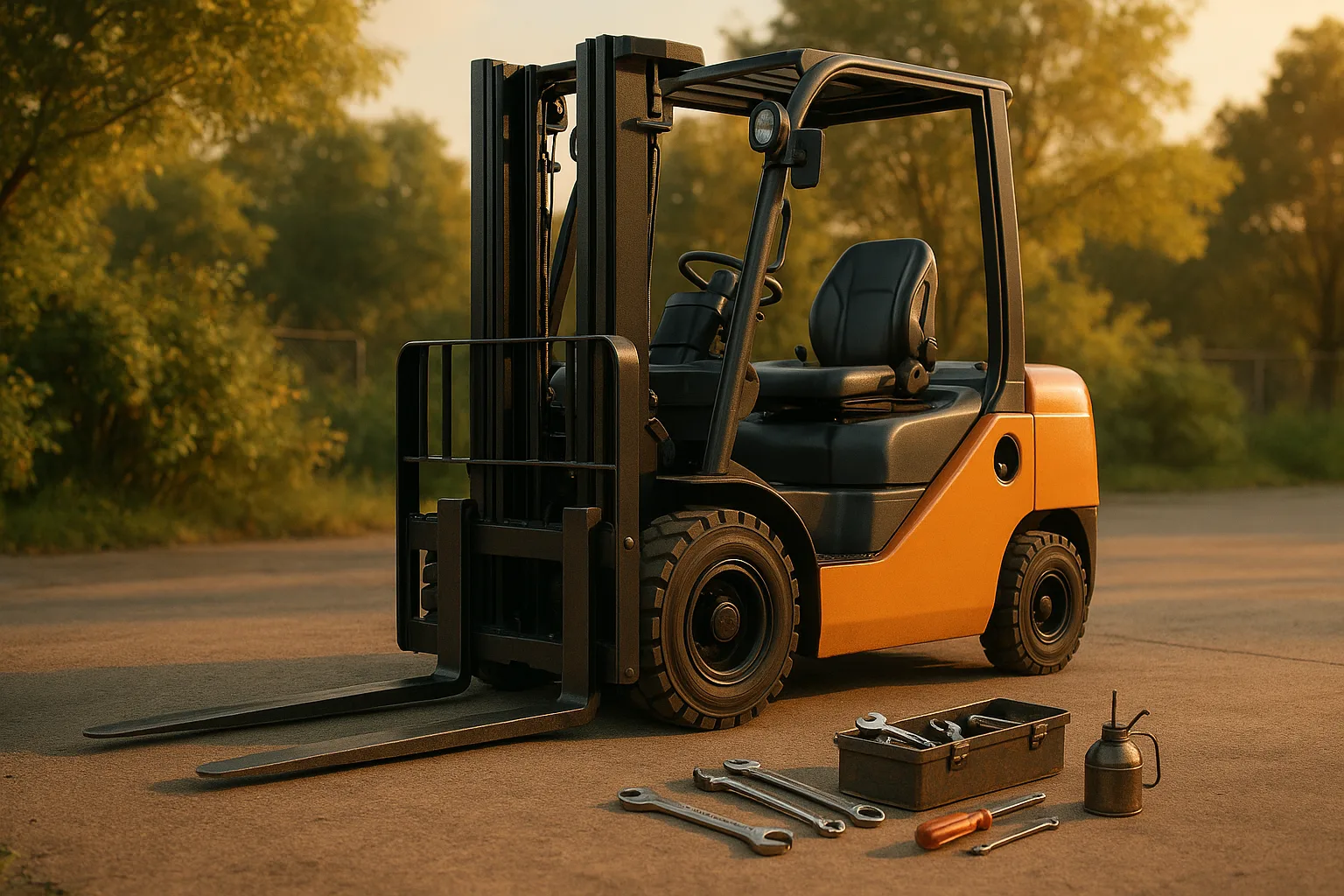
Forklift maintenance in Pakistan is a year-round necessity. The country's extreme weather - sweltering summers, heavy monsoons, and cold winters - can strain forklift performance and safety. Regular seasonal check-ups are essential to keep equipment running smoothly, reduce breakdowns, and prevent workplace accidents.
Key Maintenance Highlights:
- Summer: Focus on cooling systems, battery water levels, and tyre pressure.
- Winter: Check batteries, switch to winter-grade fluids, and ensure proper lighting.
- Monsoon: Inspect for water damage, clean electrical components, and monitor hydraulic systems.
Why It Matters:
- Forklifts contribute to 87 workplace deaths annually. Proactive maintenance reduces risks and extends equipment lifespan.
- Battery care is critical, as extreme temperatures can reduce capacity by up to 50%.
- Using genuine spare parts prevents costly repairs and ensures reliability.
For expert support, Fazlerasheed And Company offers services tailored to Pakistan's climate, including battery regeneration, spare parts, and professional inspections. Regular upkeep saves costs, ensures safety, and keeps operations running efficiently.
Keep Safe with TMHE's Daily Checklist for Electric Forklift Operators
!TMHE
Pre-Season Inspection Tasks
Conducting a pre-season inspection helps spot potential issues before they turn into costly breakdowns or safety risks. These checks ensure your forklifts are ready to tackle Pakistan's tough weather conditions - whether it's the scorching summer heat, heavy monsoon rains, or cooler winter months.
Battery and Electrical System Checks
The battery and electrical system are the backbone of your electric forklift. Start by checking the battery's charge levels and capacity to establish a performance baseline.
Clean the battery terminals using a wire brush and a baking soda solution to remove any corrosion - a common issue during the humid monsoon season. Ensure all connections are tight to avoid performance-reducing voltage drops.
Inspect the battery housing for cracks, leaks, or damage that could allow moisture to seep in. Check the electrolyte levels and add distilled water if needed, but avoid overfilling. Test all electrical components, including lights, horns, beacons, and display panels, as faulty lighting can increase risks in low-visibility conditions. Examine wiring harnesses for wear, fraying, or other damage that could lead to electrical failures.
Hydraulic System Inspection
Seasonal temperature changes can impact the viscosity of hydraulic fluid and the overall performance of the system. Begin by checking the hydraulic fluid levels and its colour. Clean, amber-coloured fluid usually indicates the system is in good condition, while dark or milky fluid could signal contamination or water ingress.
Inspect all hydraulic hoses for signs of cracking, bulging, or wear, especially in areas where hoses bend or rub against other components. These spots are prone to damage, particularly with fluctuating temperatures that accelerate rubber wear and metal corrosion.
Test the hydraulic pump by cycling the lift and tilt functions through their full range of motion. Listen for unusual noises like grinding, squealing, or excessive whining - these could indicate pump wear or contaminated fluid. If lifting or lowering seems sluggish, it might point to internal leakage or worn seals. Also, check hydraulic cylinders for external leaks around rod seals and base connections. Inspect the lift chains and mast assembly to ensure proper lubrication and alignment.
Tire and Safety Equipment Inspection
Tire condition plays a major role in navigating Pakistan's seasonal challenges. Use an accurate gauge to check tire pressure and examine tread depth and wear for alignment or damage issues. For pneumatic tires, inspect valve stems and caps for leaks or damage. For solid tires, look for signs of chunking, cracking, or separation from the rim.
Safety equipment is equally important. Test the seat belt mechanism and inspect the operator compartment for any damage. Ensure all safety decals and operating instructions are legible and correctly positioned. Check the overhead guard and load backrest for structural integrity - look for cracks, dents, or loose bolts. Inspect load handling attachments for wear, proper mounting, and smooth operation. Hydraulic attachments should be checked with the same attention as the main hydraulic system.
Finally, confirm that all required safety equipment is present, accessible, and in working order. Regular pre-season inspections like these are key to keeping your forklifts running safely and efficiently. For expert advice on preventative maintenance and detailed inspections, visit Fazlerasheed And Company (https://fazlerasheed.com). Follow up with seasonal-specific maintenance tasks to get the best performance out of your forklifts.
Seasonal Maintenance Checklists
Once you’ve completed pre-season inspections, it's time to focus on season-specific adjustments to keep your forklifts running smoothly. Pakistan’s varying climate poses unique challenges for forklift operations, making it essential to tailor maintenance routines to the demands of each season. A proactive approach can prevent weather-related breakdowns and extend the life of your equipment.
Summer Maintenance Tasks
Pakistan’s scorching summer heat can take a toll on forklift components, especially for internal combustion models operating in poorly ventilated warehouses. Ensuring the cooling system is in top shape is a must.
Start by checking the coolant levels - low levels can lead to severe engine damage. If needed, flush the cooling system to remove old coolant that could harm internal parts. Inspect the radiator for cracks or damage that might cause pressure drops, leaks, or overheating.
Radiator hoses are another critical point - intense heat can cause cracking or wear. Replace any hoses that show signs of damage. Radiator fans also need attention; check for corrosion or damage, as they are essential for dissipating engine heat.
Dust and debris can clog the radiator, so clean it with compressed air regularly. Additionally, check the fan belt for proper tension and look for cracks or wear, as a damaged belt can disrupt airflow and coolant circulation.
Summer heat also accelerates battery wear. Corrosion and fluid evaporation become more frequent, so inspect battery water levels, pH, and specific gravity before every shift. Top off with properly balanced water if needed, and examine the battery case for signs of heat damage.
Tyres are another area of concern. High temperatures can cause pressure fluctuations, so monitor them daily for cracking or degradation.
Winter Maintenance Tasks
While winters in Pakistan are relatively mild, the colder temperatures and increased humidity can still affect forklifts. Batteries are particularly vulnerable, as cold weather reduces their capacity. Use a load tester to check battery strength, inspect terminals for corrosion, and adjust charging schedules if necessary.
Coolant and antifreeze levels should be checked with a hydrometer to ensure they are sufficient for colder conditions. Inspect hoses for leaks or damage, and consider switching to winter-grade hydraulic fluids that suit local temperatures. Remind operators to monitor fluid levels during pre-shift inspections since cold weather can alter fluid viscosity, affecting performance.
Tyre maintenance is equally important in winter. Cold temperatures can lower tyre pressure, so ensure proper inflation levels. Check the tread depth to ensure adequate grip on potentially slippery surfaces, and replace tyres showing excessive wear.
Lighting is another key focus. Verify the functionality of all lights, including headlights, turn signals, and safety beacons. Upgrading to LED bulbs can be a smart move - they’re brighter, more durable, and handle temperature changes better than halogens.
Lubricate all moving parts to prevent stiffness, and let the forklift idle for a few minutes before testing hydraulic systems. For forklifts with enclosed cabs, check heaters, windscreen wipers, and door latches to ensure they work smoothly in cold conditions. After each shift, clean off any dirt or moisture to prevent build-up that might damage components.
As the seasons shift, monsoon preparations will require adjustments to address higher humidity and increased water exposure. Stay tuned for those guidelines!
Battery and Charging System Maintenance
Your forklift’s battery plays a key role in keeping operations running smoothly, especially given Pakistan’s varying climate. Proper maintenance is essential to ensure your battery performs well, whether it’s the scorching summer heat or the cooler winter months. Here’s how you can keep your forklift batteries in top shape throughout the year.
Regular Battery Maintenance
- Check electrolyte levels daily: Before starting each shift, inspect the electrolyte levels and top them up with distilled water if needed. Avoid using tap water, as its minerals can damage the battery cells.
- Keep terminals clean: Use a wire brush and a bicarbonate solution to clean the battery terminals daily. After cleaning, apply a layer of petroleum jelly to prevent corrosion.
- Test specific gravity: Use a hydrometer to check the battery’s specific gravity according to the manufacturer’s guidelines. This helps identify weak or failing cells early.
- Schedule charging wisely: Charge the battery during cooler parts of the day and perform equalising charges regularly. This helps balance the cells and prolong the battery’s lifespan.
Battery Regeneration Services
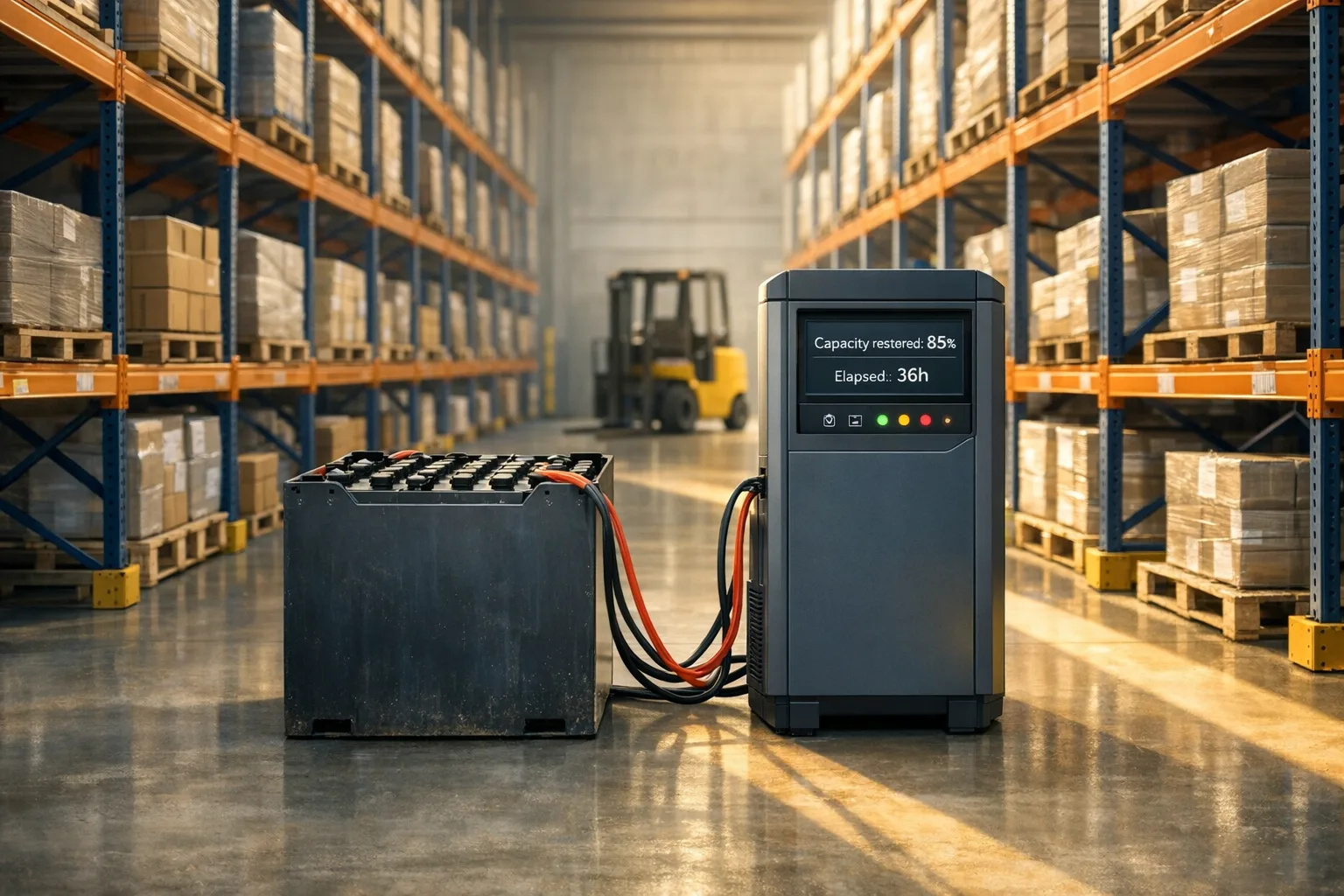
If regular maintenance doesn’t seem to cut it anymore, it might be time to consider battery regeneration. This process is especially useful when you notice reduced capacity or longer charging times. Battery regeneration works by using high-frequency pulsation technology to break down sulphate crystals that build up on the battery plates, restoring much of the lost capacity.
Fazlerasheed And Company offers specialised battery regeneration services tailored for businesses managing multiple forklifts. By using controlled electrical pulses, their service dissolves lead sulphate deposits, helping restore battery efficiency.
Acting promptly when you notice signs like decreased runtime, extended charging periods, or low specific gravity can save you from costly replacements. Plus, it helps cut down on industrial waste, making it a smart and environmentally responsible choice.
sbb-itb-a884676
Safety and Compliance Checklist
After completing system maintenance, the next priority is adhering to strict safety and compliance protocols to ensure smooth and secure operations. With over 90,000 workplace accidents occurring annually, daily inspections and thorough operator training are essential to minimise risks. Forklifts, though involved in only about 1% of incidents, are responsible for nearly 10% of serious injuries in factories and warehouses - a sobering statistic.
Daily Safety Inspections
A pre-shift safety inspection is non-negotiable for forklift operators. This simple yet critical step helps prevent accidents and equipment malfunctions.
Start by checking for visible damage across the forklift’s exterior, forks, and tyres. Look out for hydraulic leaks, worn-out parts, or any structural issues that could compromise safety. The braking system should also be tested - ensure both the foot brake and parking brake function as expected. Controls for steering, lifting, and tilting must respond smoothly, while warning lights, alarms, and the horn should be tested to confirm they are operational. These features are vital for accident prevention.
Don’t overlook the overhead guard and operator seat. The seat belt should be intact and securely fastened, and the overhead guard must be free from cracks or damage. Proper lighting is equally important, especially during early or late shifts. Test headlights, taillights, and any warning beacons to ensure visibility and safety.
If any issues are identified during the inspection, report them immediately and take the forklift out of service. Operating faulty equipment poses far greater risks than any perceived productivity benefits.
Alongside equipment checks, consistent and thorough operator training plays a key role in maintaining workplace safety.
Operator Training and Documentation
Forklift operators are required to hold proper certification. Training should cover both equipment-specific topics (like controls, load stability, and maintenance) and workplace-specific issues (such as pedestrian safety, navigating hazardous areas, and adapting to driving conditions).
Keep detailed training records for all certified operators, as these are crucial for compliance audits. Certifications should be updated every three years or sooner if there are incidents, unsafe practices, or operational changes. Remember, online training alone isn’t sufficient - hands-on evaluations are essential for assessing operator performance.
Your documentation system should also include maintenance records. These should highlight regular servicing schedules and mandatory annual inspections of lifting equipment. Additionally, emergency response plans should be reviewed and updated whenever there are changes to the workplace layout, new equipment, or an increase in staff.
Regular risk assessments are another critical aspect. These evaluations help identify hazards along forklift routes, in storage areas, and near pedestrian crossings. Update these assessments whenever there are changes to the warehouse layout or operational procedures. Maintaining accurate records not only ensures compliance but also provides valuable insights for improving safety measures.
Consider integrating proximity and collision avoidance technologies, such as ultrasound sensors, pedestrian detectors, and automatic braking systems, into your safety protocols. These tools, combined with proper training, add extra layers of protection for both operators and other workers.
Strong documentation and well-structured training programmes are the backbone of effective safety and compliance efforts year-round.
Spare Parts and Support Services
In Pakistan's unpredictable seasons, using low-quality parts or unreliable services can lead to costly downtime. Just as preventive maintenance is essential, using dependable spare parts plays a key role in keeping your operations running smoothly throughout the year.
The harsh seasonal conditions - whether it's the monsoon's high humidity or the intense heat of summer - can take a toll on forklifts. That's why genuine OEM (Original Equipment Manufacturer) parts are so important. These parts are specifically designed for your equipment, ensuring a perfect fit and reliable performance. For example, during the monsoon season, OEM hydraulic seals can better withstand moisture, while in summer, OEM cooling system components are built to handle the extra strain caused by high temperatures.
Fazlerasheed And Company, a trusted distributor for TVH, offers a wide range of genuine, branded, and OEM spare parts across Pakistan. Their inventory covers all major forklift systems, including:
- Hydraulic parts
- Tyres and wheels
- Steering components
- Transmission parts
- Brake systems
- Filters
- Engine parts
- Electrical components
- Chassis parts
- Cooling systems
- Attachments and fuel system parts
They also supply parts for leading forklift brands like JUNGHEINRICH, STILL, CLARK, LINDE, CROWN, TOYOTA, BT, and YALE. This comprehensive range ensures that your entire fleet benefits from consistent quality.
In addition to spare parts, Fazlerasheed And Company offers battery regeneration services - a cost-effective alternative to replacing expensive traction batteries. Using advanced equipment, they can restore up to 80% of a battery's original capacity. Their battery offerings include traction, semi-traction, and backup batteries from top European brands like Hawker, Eternity, Sunlight, and Trojan.
Another way to manage costs is through retreading services for wheels, castors, and rollers. This is especially useful after the monsoon, when moisture and debris can accelerate tyre wear, or during summer, when warehouse floors can cause additional stress. Retreading helps maintain safety standards while extending the life of your equipment.
When electronic components fail, replacing them outright can be expensive. Fazlerasheed And Company focuses on repairing these parts first, which can save significant costs - especially for older forklifts that may struggle with extreme seasonal temperatures.
With a nationwide network, spare parts are readily available across Pakistan, minimising delays in your seasonal maintenance schedules. Moreover, their professional services are tailored to address how Pakistan's unique climate impacts forklift systems. This expertise ensures that your forklifts remain reliable during peak business periods, keeping your operations on track no matter the season.
Conclusion
Pakistan's diverse climate - ranging from scorching summers exceeding 45°C to heavy monsoons and cool winters - requires a vigilant approach to forklift maintenance. Regular seasonal check-ups aren't just a good idea; they’re a must to keep operations running smoothly and protect your equipment.
Seasonal maintenance checklists offer a structured way to care for forklifts throughout the year. Pre-season inspections help catch potential problems early, while season-specific tasks tackle unique weather challenges. For example, safeguarding electrical systems during monsoons or ensuring batteries perform optimally in extreme heat can prevent costly disruptions. This proactive approach ensures your forklifts are always ready, with expert intervention available when necessary.
Having professional maintenance support is critical in Pakistan’s industrial settings. Skilled technicians can quickly identify problems, maintain compliance with safety standards, and keep detailed records that are invaluable for warranties and resale. Their expertise ensures your equipment not only meets safety regulations but also retains its value over time.
Additionally, battery maintenance and regeneration can restore up to 80% of a battery’s capacity. This not only saves money but also ensures better performance, especially when dealing with seasonal demands or managing a fleet of forklifts in varying conditions.
For businesses navigating Pakistan's challenging climate, partnering with Fazlerasheed And Company provides unmatched support. With expertise in battery-operated forklifts, reach trucks, and material handling equipment, they offer genuine spare parts, battery regeneration, retreading services, and nationwide distribution. Their comprehensive services ensure your fleet remains dependable, no matter the season, keeping your operations efficient and uninterrupted.
FAQs
What maintenance tasks are essential for forklifts during Pakistan's monsoon season?
During Pakistan's monsoon season, keeping forklifts in good shape becomes even more important to ensure they operate safely and efficiently in wet and humid conditions. Here's what you need to focus on:
- Check windproofing and anti-collapse features: Strong winds can cause structural damage, so it's essential to inspect these safety measures.
- Protect electrical components from moisture: Water can lead to short circuits or damage, so make sure all electrical parts are sealed and moisture-proofed.
- Ensure anti-slip measures are in place: Inspect tyres and floor surfaces to minimise the risk of slipping on wet areas.
It's also a good idea to start and run forklifts that are parked for long periods - aim for at least once a month. This prevents moisture from building up and keeps the machinery running smoothly. Lastly, keep batteries safe from water exposure to avoid expensive repairs or replacements. By following these precautions, you can rely on your forklifts to perform well throughout the rainy season.
How does battery regeneration improve forklift battery performance during extreme weather in Pakistan?
Forklift battery regeneration can bring batteries back to 80-100% of their original capacity, which is especially useful in dealing with the challenges posed by Pakistan's intense heat. High temperatures often speed up battery wear and tear, but regeneration works to reverse sulfation, boosting the battery's overall health. This ensures dependable performance and extends the battery's lifespan.
By addressing problems like thermal runaway and energy loss - issues that are more frequent in hot climates - this process not only improves battery reliability but also helps businesses cut down on downtime and operational expenses.
Why is it essential to use genuine OEM spare parts for forklift maintenance in Pakistan's changing climate?
Using genuine OEM spare parts is essential for keeping forklifts running smoothly and dependably, especially considering Pakistan's varied climate. These parts are specifically crafted to fit the equipment perfectly, ensuring optimal performance and compatibility.
Choosing genuine parts helps lower the chances of unexpected breakdowns, reduces downtime, and increases the overall lifespan of your forklift. Designed to handle the country's weather extremes - whether it's scorching summer heat or chilly winter days - these parts offer lasting durability and help save costs in the long run.
Looking for Forklifts or Parts?
Fazlerasheed & Co. supplies reconditioned forklifts, genuine spare parts, and traction batteries across Pakistan. Get a free quote today.